
Discover effective strategies to minimize the impact of wildfire smoke on health in the United States. Our comprehensive guide offers actionable tips, expert insights, and essential precautions to protect yourself and your loved ones during wildfire season. Stay informed and safeguard your well-being with our evidence-based recommendations.

Effective Strategies to Minimize the Impact of Wildfire Smoke on Health
Discover effective strategies to minimize the impact of wildfire smoke on health in the United States. Our comprehensive guide offers actionable tips, expert insights, and essential precautions to protect yourself and your loved ones during wildfire season. Stay informed and safeguard your well-being with our evidence-based recommendations.
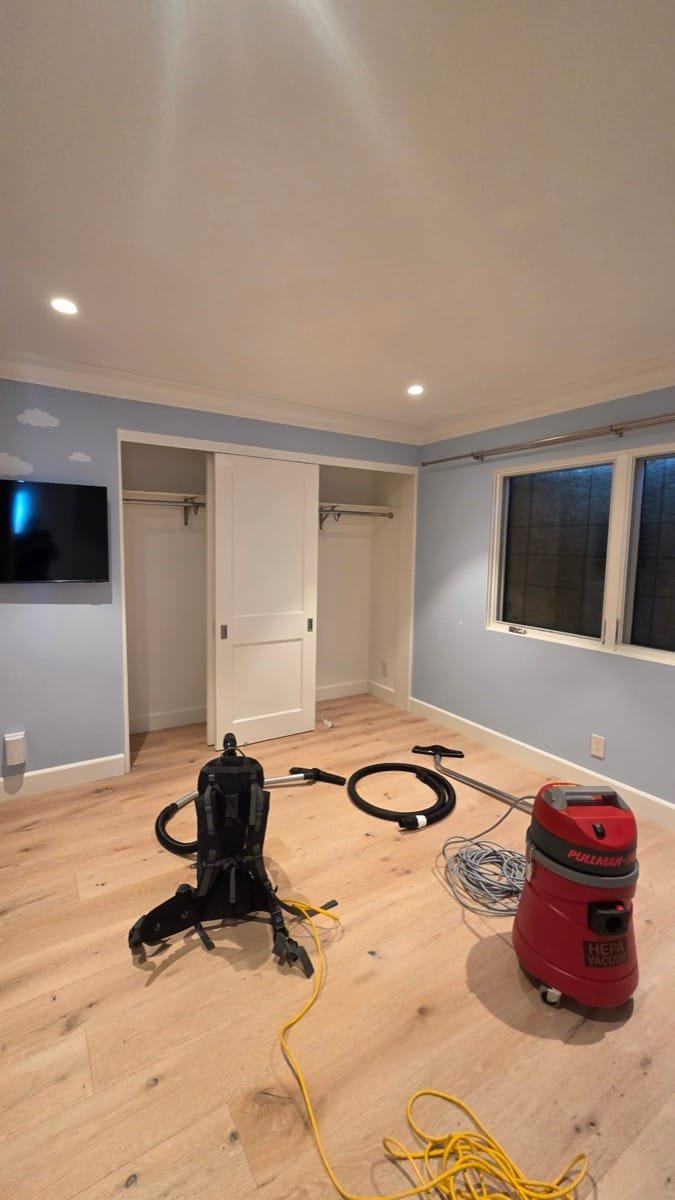
Smoke Damage: How Soot and Ash Affect Your Home
Discover the critical impact of smoke damage on your home in our latest blog post. Learn how soot and ash damage can affect your property, from structural integrity to indoor air quality. Get expert tips on prevention and restoration to keep your home safe and healthy. Understand the signs of smoke damage and take action today!
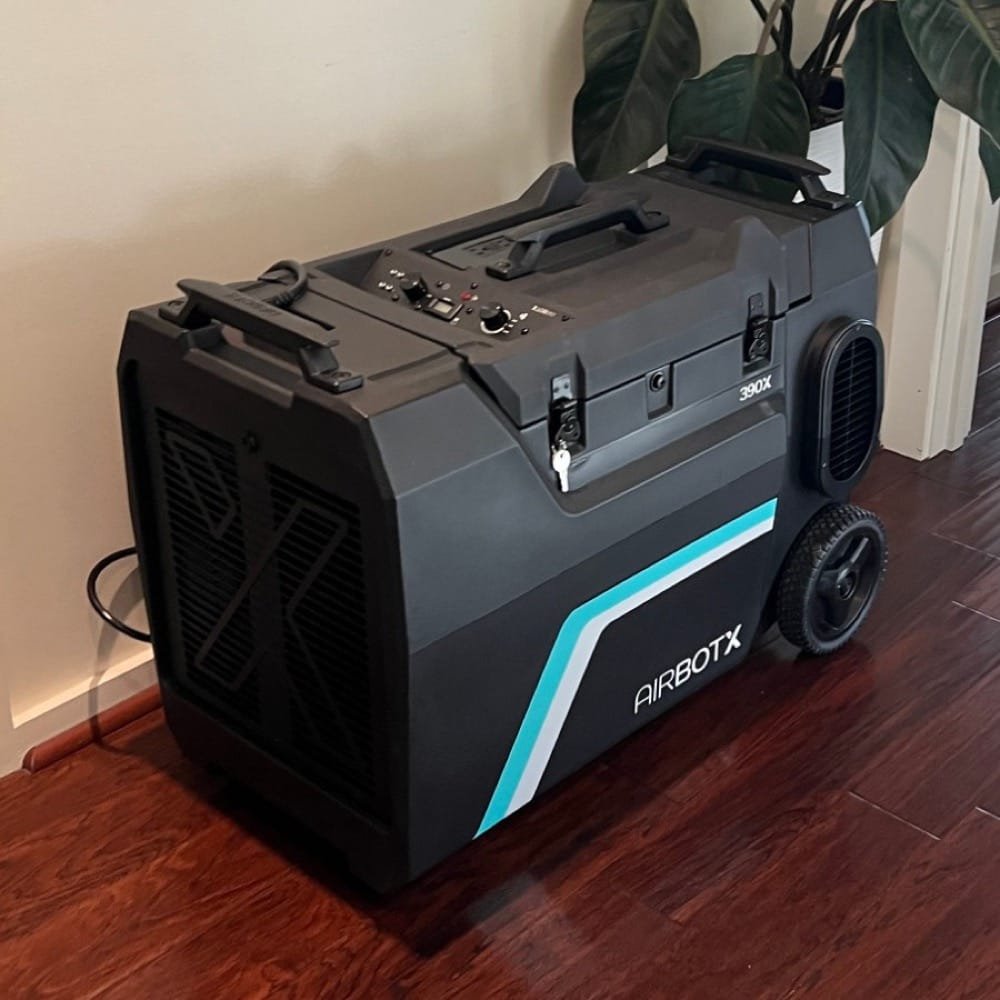
Fire Damage Restoration: What Happens After a Fire, Step by Step
Discover the essential steps for restoring fire damage in your home. From assessing the damage to effective cleanup and restoration techniques, this comprehensive guide will help you navigate the recovery process. Learn how to protect your property, prevent future issues, and ensure a safe environment for your family. Don’t let fire damage overwhelm you—take control with our expert tips!

Business water damage: essential steps for protection
Water damage emergencies can strike any commercial establishment, leading to significant disruptions and financial losses. Here are the essential steps businesses should take to protect themselves:
1. Risk Assessment and Prevention Strategies
Conduct a thorough risk assessment of your property to identify potential vulnerabilities. Implement preventive measures such as proper drainage systems, regular inspections, and maintenance of plumbing fixtures.
2. Emergency Response Plan
Develop a comprehensive emergency response plan outlining procedures for handling water damage incidents. Assign responsibilities to employees, establish communication protocols, and ensure access to essential resources like water pumps and emergency contacts.
3. Swift Action
In the event of water intrusion, act swiftly to minimize damage. Shut off the main water supply, remove excess water using pumps or wet vacuums, and begin drying efforts immediately to prevent mold growth and structural damage.
4. Documentation and Assessment
Document the extent of the damage through photographs, videos, and detailed notes. Conduct a thorough assessment of affected areas to determine the severity of the damage and prioritize restoration efforts accordingly.
5. Professional Assistance
Seek assistance from certified water damage restoration professionals who have the expertise and equipment to handle commercial water damage emergencies effectively. They can provide comprehensive services, including water extraction, drying, dehumidification, and mold remediation.
6. Structural Drying and Restoration
Ensure proper structural drying to prevent long-term issues such as rotting wood, rusting metal, and weakened building materials. Work with restoration experts to repair and restore damaged structures, including walls, floors, ceilings, and electrical systems.
7. Inspection and Quality Assurance
Conduct thorough inspections after the restoration process to verify that the affected areas are completely dry and free of mold. Implement quality assurance measures to guarantee the safety and integrity of the restored property.
8. Preventive Maintenance
Implement preventive maintenance measures to reduce the risk of future water damage incidents. Regularly inspect plumbing systems, roofs, and building envelopes, address any issues promptly, and educate employees on water damage prevention best practices.
9. Insurance Coverage Review
Review your insurance policies to ensure adequate coverage for water damage and related risks. Understand the scope of your coverage, including exclusions and limitations, and consider additional coverage options if necessary.
10. Employee Training and Awareness
Provide comprehensive training to employees on recognizing and responding to water damage emergencies. Promote awareness of potential hazards, emergency procedures, and the importance of early intervention to mitigate damage.
By taking proactive measures and partnering with trusted professionals, businesses can effectively protect themselves against the devastating impacts of commercial water damage emergencies. Investing in preparedness and swift action can safeguard your business’s reputation, assets, and continuity of operations.

How to Prepare Your House for Rainy Winter and What to Do if Your House Gets Water Damage
Preparing Your House for Rainy Winter
As the rainy winter season approaches, it’s important to take steps to protect your home from potential water damage. Here are some tips to help you prepare:
- Clean your gutters and downspouts: Remove any leaves, debris, or blockages that could prevent proper water drainage. This will help prevent water from overflowing and seeping into your home.
- Inspect your roof: Check for any missing or damaged shingles, as well as signs of wear and tear. Repair or replace any issues to ensure your roof is watertight.
- Seal windows and doors: Apply weatherstripping or caulking to seal any gaps or cracks around windows and doors. This will prevent rainwater from entering your home.
- Check your basement: Inspect your basement for any cracks or leaks. Seal them properly to prevent water from seeping in during heavy rains.
- Trim tree branches: Trim any overhanging tree branches near your house to prevent them from potentially falling and causing damage during storms.
Dealing with Water Damage
If your house does experience water damage despite your best efforts, here are some immediate steps to take:
- Turn off the electricity: If there is standing water in your home, turn off the electricity at the main breaker to avoid the risk of electrical shock.
- Remove standing water: Use a wet/dry vacuum or pump to remove any standing water as quickly as possible.
- Contact professionals: Call a professional water damage restoration company to assess the damage and provide necessary repairs.
- Document the damage: Take photos or videos of the affected areas as evidence for insurance claims.
- Prevent further damage: Use fans and dehumidifiers to dry out the affected areas. Remove any wet furniture or belongings to prevent mold growth.
Remember, prevention is key when it comes to protecting your home from water damage. By taking proactive measures and acting swiftly in the event of water damage, you can minimize the impact and ensure the safety and integrity of your house during the rainy winter season.

How FastFix Restoration can help you recover from your home’s property damage in Los Angeles
A restoration expert from FastFix can play a crucial role in helping you recover from property damage, whether it’s due to natural disasters, fire, water, mold, or other issues.
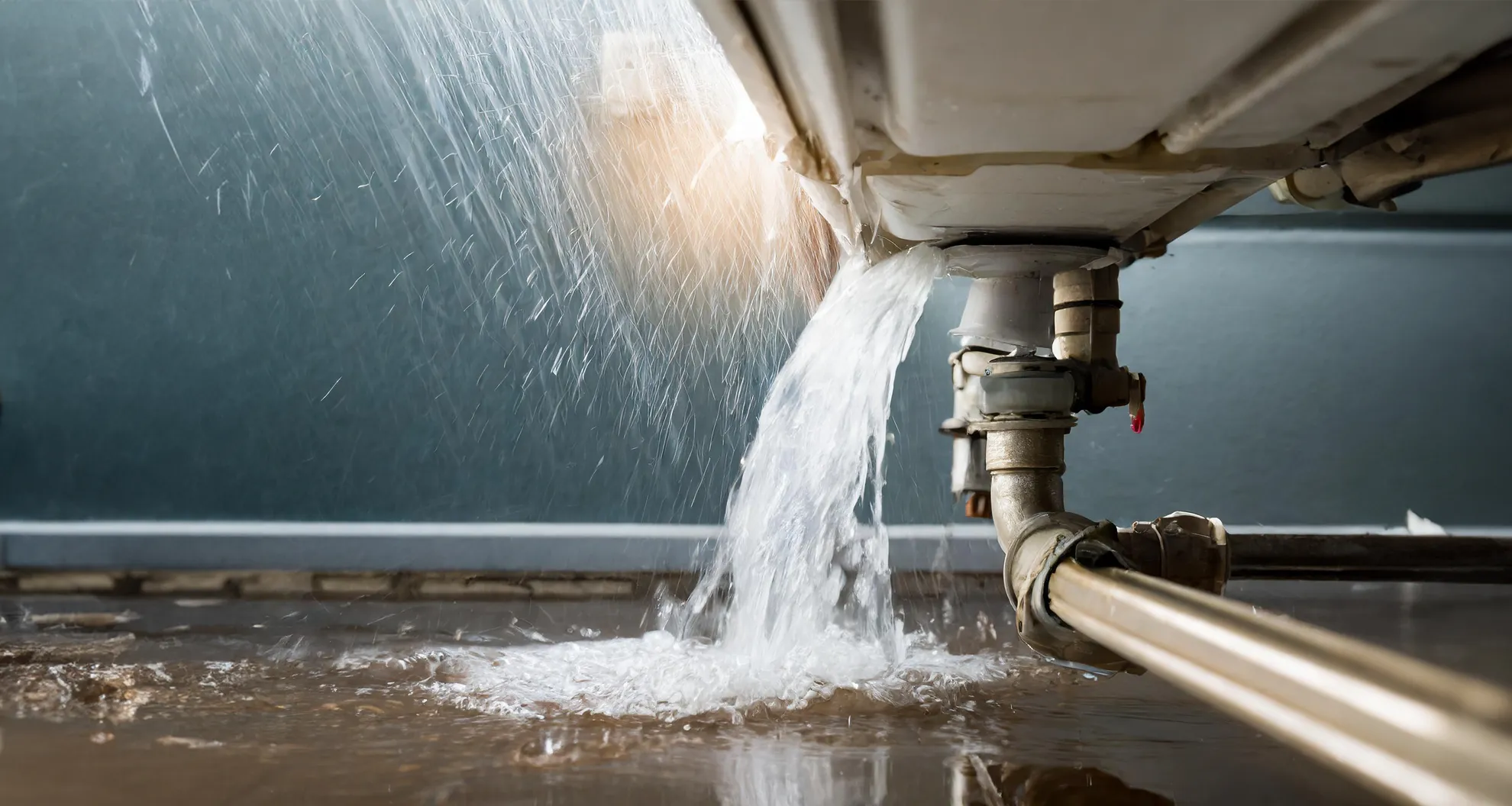
What is the difference between water damage and flood damage?
In terms of home restoration in Los Angeles, the difference between flood and water damage lies in the nature and extent of the damage, as well as the restoration processes required.
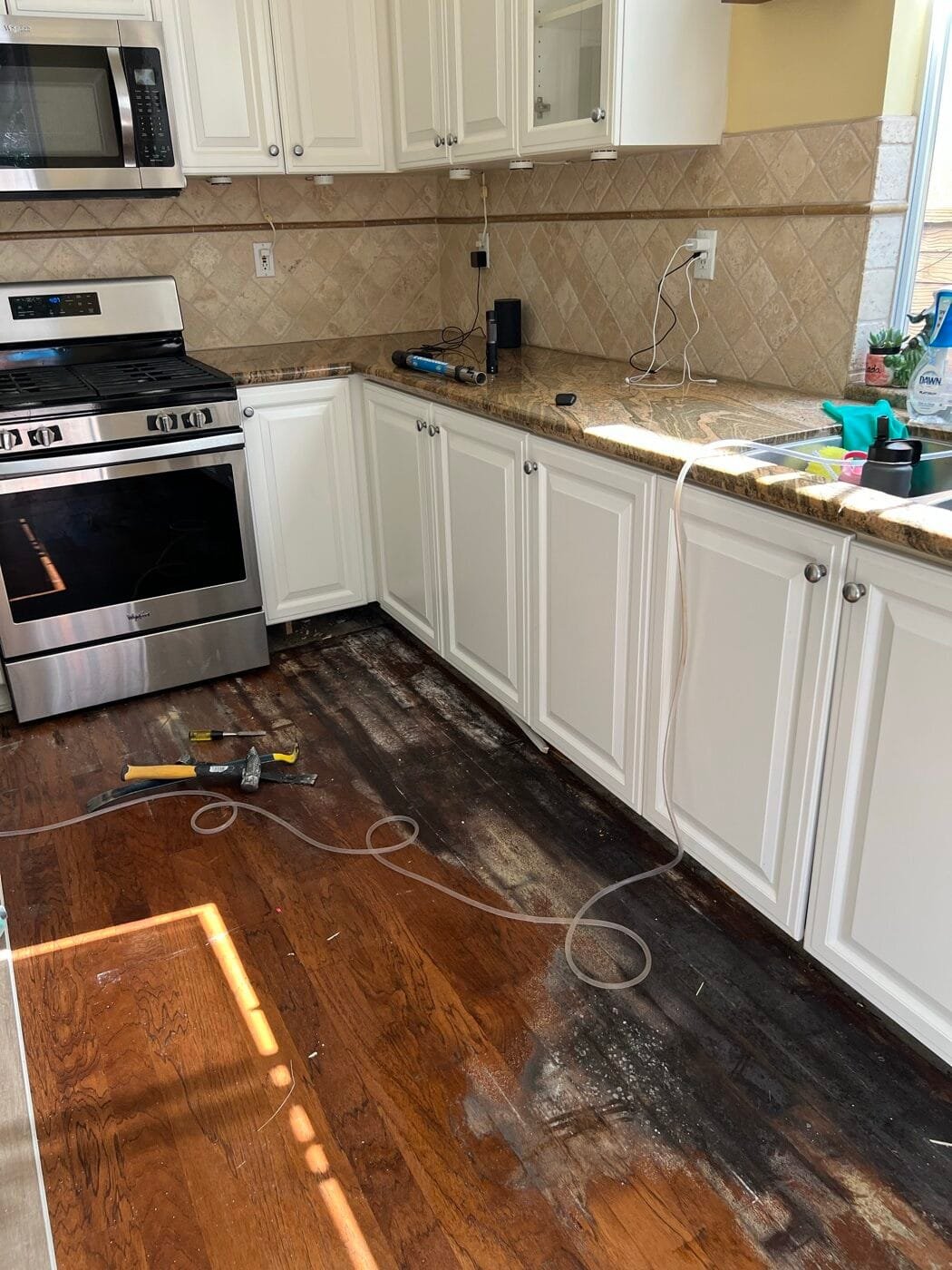
Water Damage in Your Home: What to Do First and How It’s Fixed
With climate change a reality, homeowners must be prepared for anything. Certainly this year, we have seen the devastation that flooding causes. It is important to deal with the potential of a basement flooding and if it should happen what we can do about it. The team at FastFix Restoration wants you to be prepared.
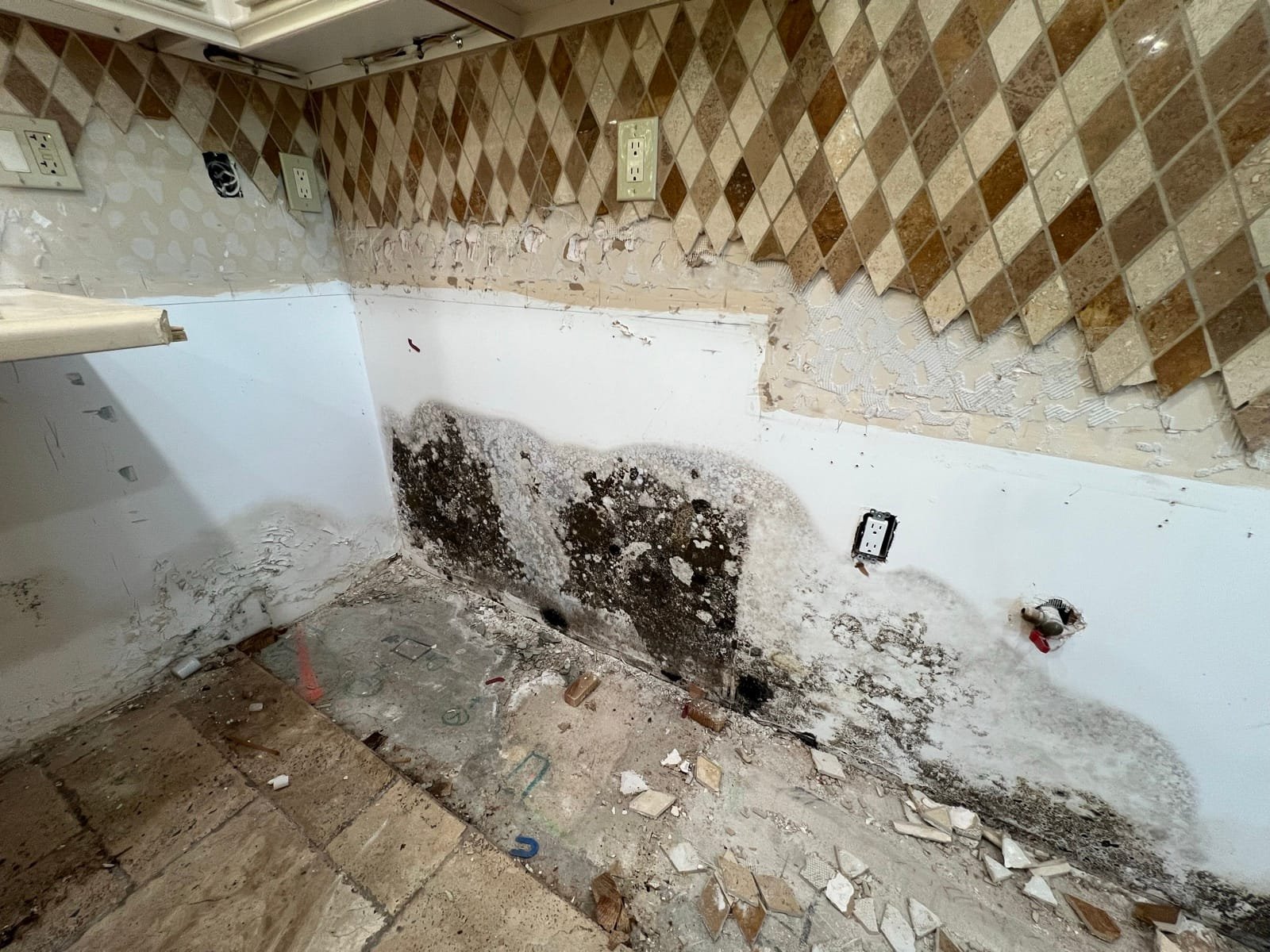
Does Your Home Have Mold? Signs, Health Risks and What to Do
With climate change a reality, homeowners must be prepared for anything. Certainly this year, we have seen the devastation that flooding causes. It is important to deal with the potential of a basement flooding and if it should happen what we can do about it. The team at FastFix Restoration wants you to be prepared.